Raise a child
who plays for life
Built to Play helps parents of youth athletes apply the science of long-term development, so your child trains smart, recovers properly, and stays in the game.

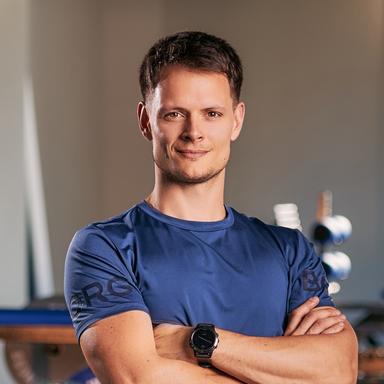
Built to Play by Marian Pitel
S&C coach, coaching young athletes since 2013
The Problem, Named
You're not your child's coach. But you're the one making the decisions a coach won't: which club, how much is too much, when to rest, when to worry, when to push.
Nobody hands parents a manual for that. Most of the advice you'll hear comes from someone with something to sell, a programme, a dream.
Built to Play is the other thing: the science, in plain English, with no team to sell you.
What Built to Play is
I'm Marian. I spend my days as a strength and conditioning coach, with professional and Olympic athletes, and with eight-year-olds taking their first proper steps in sport. The principles that protect a professional's career are the same ones that keep your child healthy, improving, and still in love with the game at sixteen. My job here is to translate them for you, whatever sport your child plays, at any age from six to eighteen.
Credibility
- EXOS Performance Specialist, FMS certified
- Trained directly under Ben Prentiss (NHL strength & conditioning), Tim Gabbett (load management), Jean-Benoit Morin (sprint science), Johan Lahti (hamstring)
- Coaching since 2013, father of two
- Athletes coached include Olympic medallist Matej Beňuš, NHL players Martin Fehérváry and Tomáš Tatar, and Matúš Kudláč
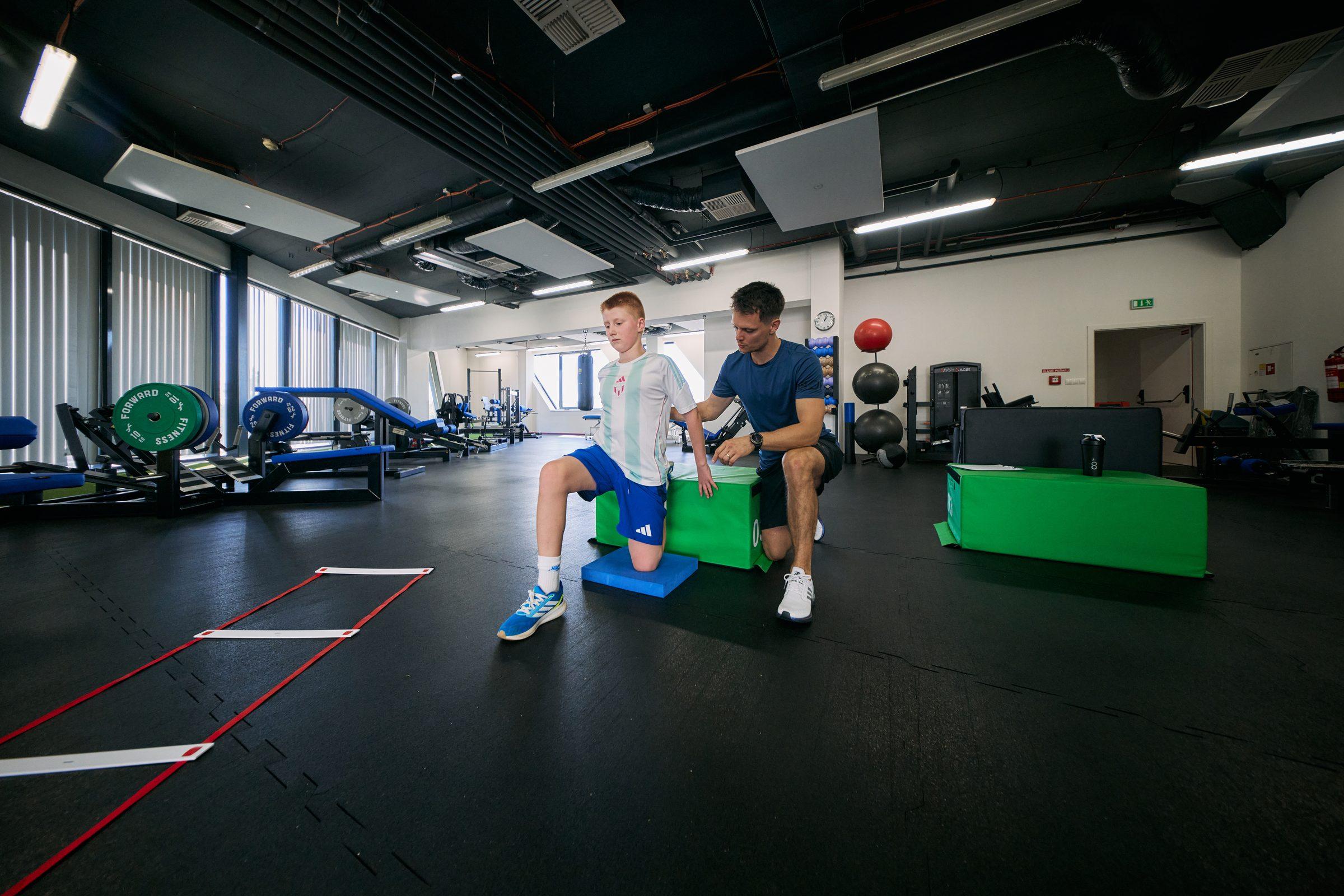
The best athletes were rarely the best kids. Youth sport is a long game, and we help your family play it well.
The average child quits their sport by age 11, most often because the fun is gone
Half of injuries in young athletes are overuse, not accidents
Growing faster than 7.2 cm (2.8 in) a year sharply raises injury risk
90% of the world's best adult performers were not the best as kids
Find the Right Tool
Each one takes three minutes or less and gives you something to act on, not a sales pitch.
 Free by email

 90 seconds

How We Think
Biological age beats birth year. More is not better. Children are not mini-adults. The child still playing two sports at fourteen has options.
How we think about youth sportWhat parents and athletes say about Marian
 Martin FehérváryNHL player
Read the full storyHim working with parents of young players makes sense to me - most of the mistakes that catch up with a player later are made in the years he's growing fastest.
Miroslav Pulišyouth footballer
Read the full storyWhat changed most is my overall strength, stability and explosiveness, plus the one thing every footballer needs: speed.
Matúš Hauskrechtyouth athlete
Read the full storyI kept coming because I trusted him and could see the results. He'll explain something three times without ever making you feel stupid.
 Šimon Hauskrechtyouth handball player
Read the full storyThe progress showed in my acceleration over short distances and in changing direction on feints, which became my strength. I started getting above taller defenders in the air.
 Adam Benčíkyouth golfer
Read the full storyNow I know exactly what to do, and every session targets what the swing needs: core, glutes, hips and shoulders, plus rotational power, explosiveness and stability.
Showing testimonial 1 of 5

The Coach's Note
A tip you can use, a myth worth binning, and one resource I recommend. Written by me.
Frequently asked questions
Overload rarely announces itself in one dramatic moment. It accumulates. The signals to watch: persistent tiredness that a normal night's sleep does not fix, disturbed sleep, irritability or flat mood, loss of joy in a sport they used to love, recurring small injuries or aches, declining school performance, and performance that stalls or drops despite training more. Any one of these can be a bad week. Two or three together, lasting more than a couple of weeks, mean the load is too high. The response is not complicated: reduce training volume, protect sleep, talk with the child about how they feel, and involve the coach. Rest is part of training, not the opposite of it.
The full picture, including the three things to track at home, is in the guide Is my child training too much?